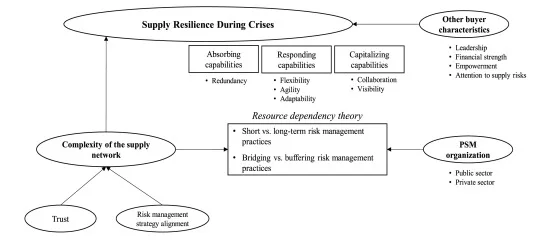
Certain global disruptions have become more frequent and severe, which has demonstrated the weaknesses of efficiency-based supply chains as well as the necessity of adaptive resilience. This paper evaluates the operationalization of resilience by supply chain in the context of disruption and explores the facilitating functions of digital transformation and leadership in a dynamic capabilities and viability-based framework. The study uses a mixed-method design that combines the Partial Least Squa
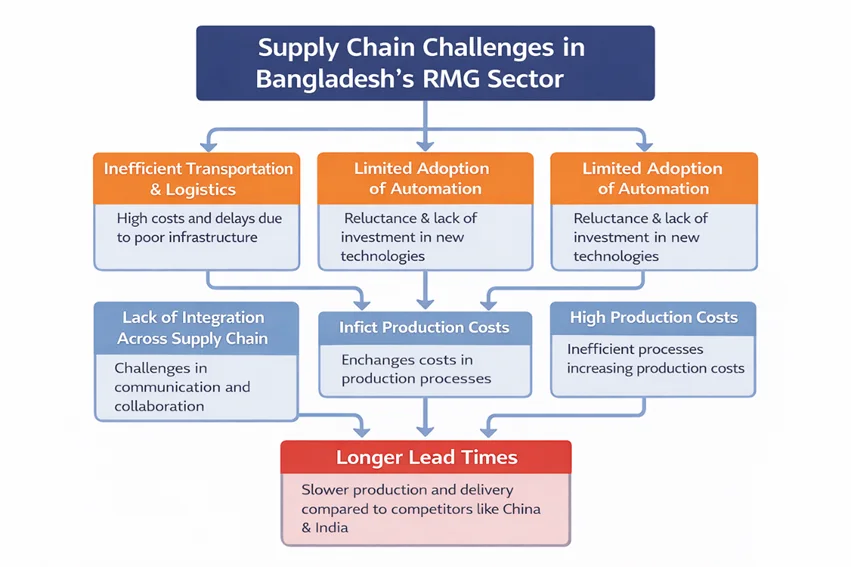
Supply chain operations worldwide are being revolutionized through automation, Digital Supply Chain Management (DSCM) that allows companies to conduct speedy, economical and dependable processes. This paper will give a comparative analysis of how DSCM and automation can influence the effectiveness of supply chains in the United States and Bangladesh. Primary surveys of supply chain professionals and secondary industry reports, as well as case studies, were reviewed using a mixed-method analysis
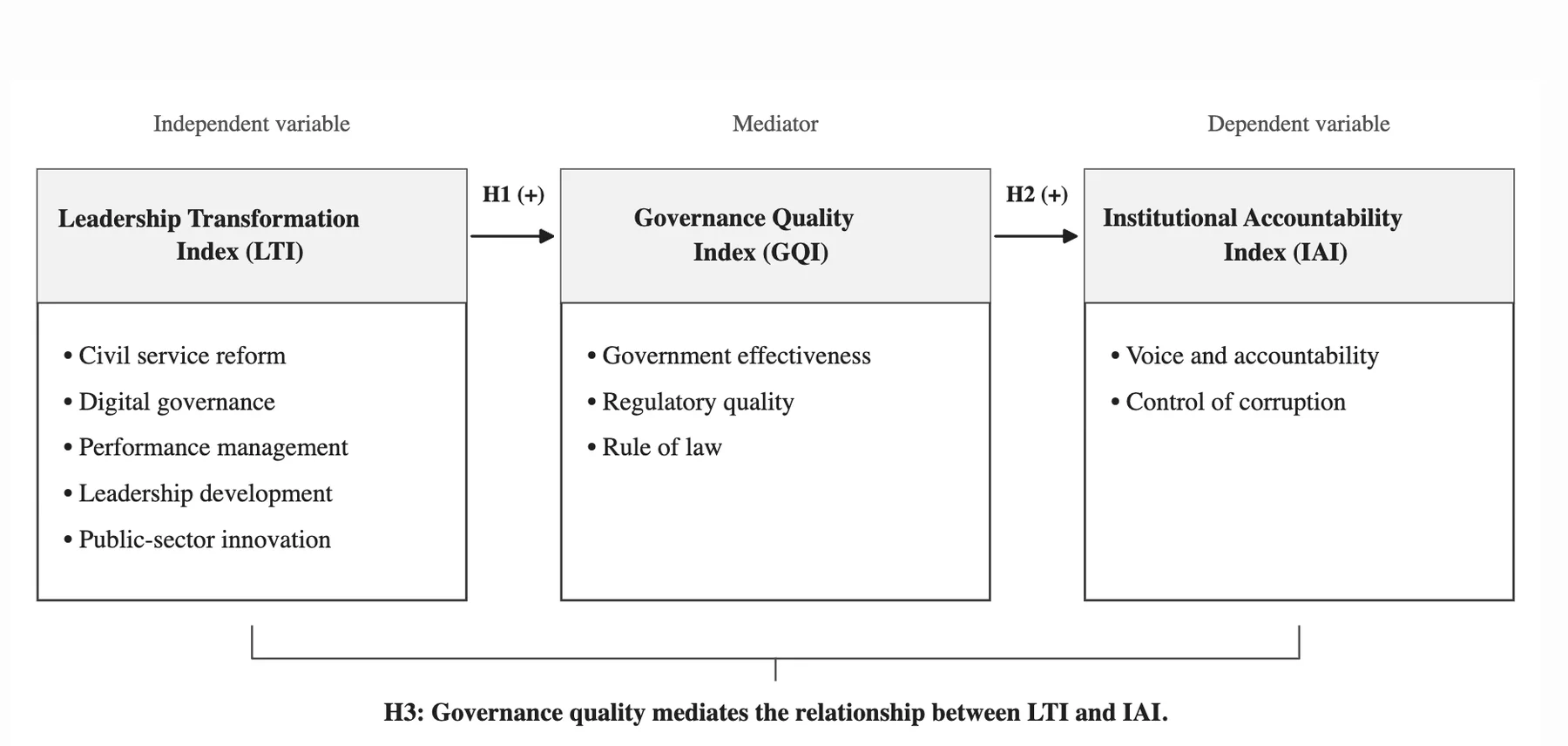
Institutional accountability is a key issue in the public sector in developing countries, but it is not always a reality. Administrative effectiveness is not necessarily reflected in transparency, responsiveness, and citizen-oriented governance. Transformational leadership is found to be one of the elements that can facilitate institutional transformation in public sector organizations by stimulating innovation, strengthening organizational capacity, and fostering ethical administration practice
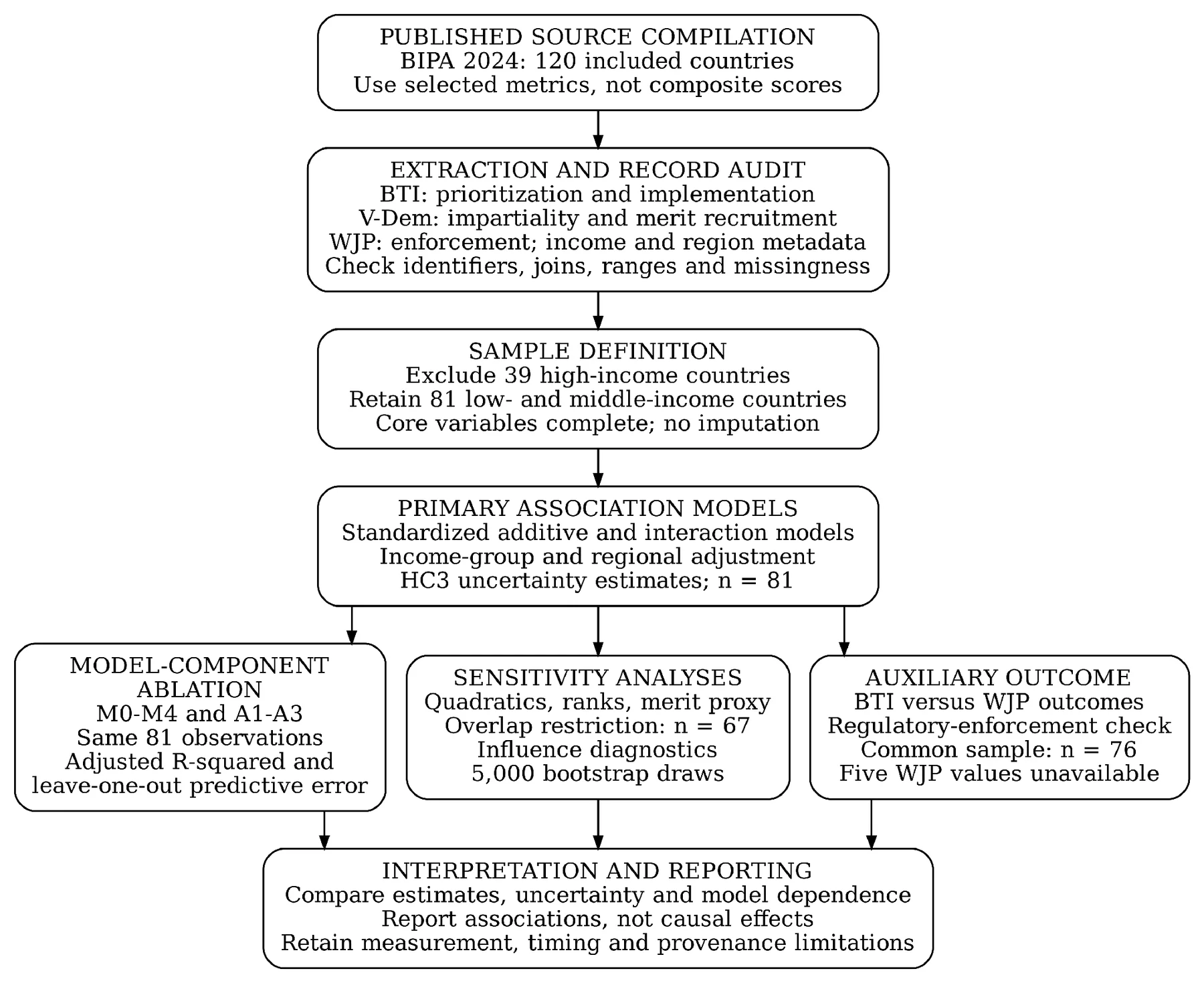
While political priorities do not always result in implementation, it is hard to capture institutional conditions that enable this process using aggregate governance measures. This study investigates if the relationship of strategic prioritization and policy implementation in developing countries is influenced by administrative capacity. An exploratory cross-sectional analysis is one in which separate indicators are aggregated in the Blavatnik Index of Public Administration 2024 for 81 countries
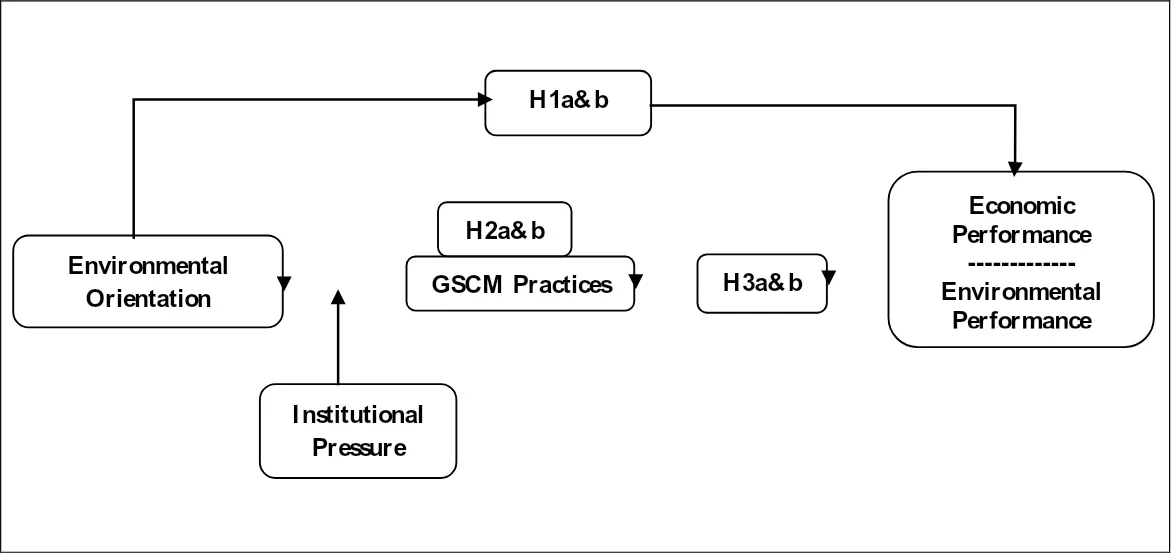
Sustainable performance of organizations has seen the use of environmental, economic, and social issues in supply chain management. In this study, the authors explore the varied effects that internal and external Green Supply Chain Management (GSCM) practices have on the three dimensions of the Triple Bottom Line (TBL). Partial Least Squares Structural Equation Modeling (PLS-SEM) was utilized using survey data gathered by respondents at managerial level in manufacturing and construction industry